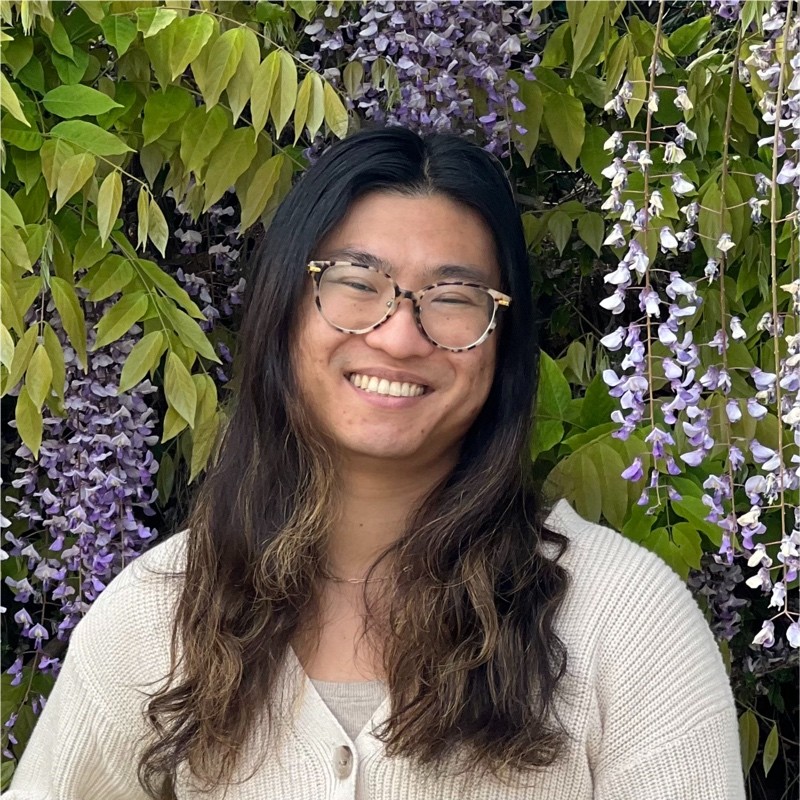
Meet the Arcol Interns - Arnav and Dylan
It’s been a short three months with engineering interns Arnav Kumar and Dylan Li, both computer science students from University of Waterloo.
Join us to learn more about what they’ve been working on and their experience so far, in a quick conversation with designer/engineer Willy Wu.
Key Takeaways
Internship Profiles: Computer science students Arnav Kumar and Dylan Li from the University of Waterloo completed a three-month engineering internship at Arcol.
Technical Projects: Key contributions included reworking terrain systems for contour data and developing view-specific map layers using Three.js and S3.
Startup Impact: The interns highlighted the high level of ownership, direct customer interaction, and visibility of their work compared to larger corporations.
Collaborative Culture: Arcol’s environment emphasizes technical mentorship, weekly demo days, and cross-functional communication.
Willy - What’s your programming story, and how has it led you to Arcol?
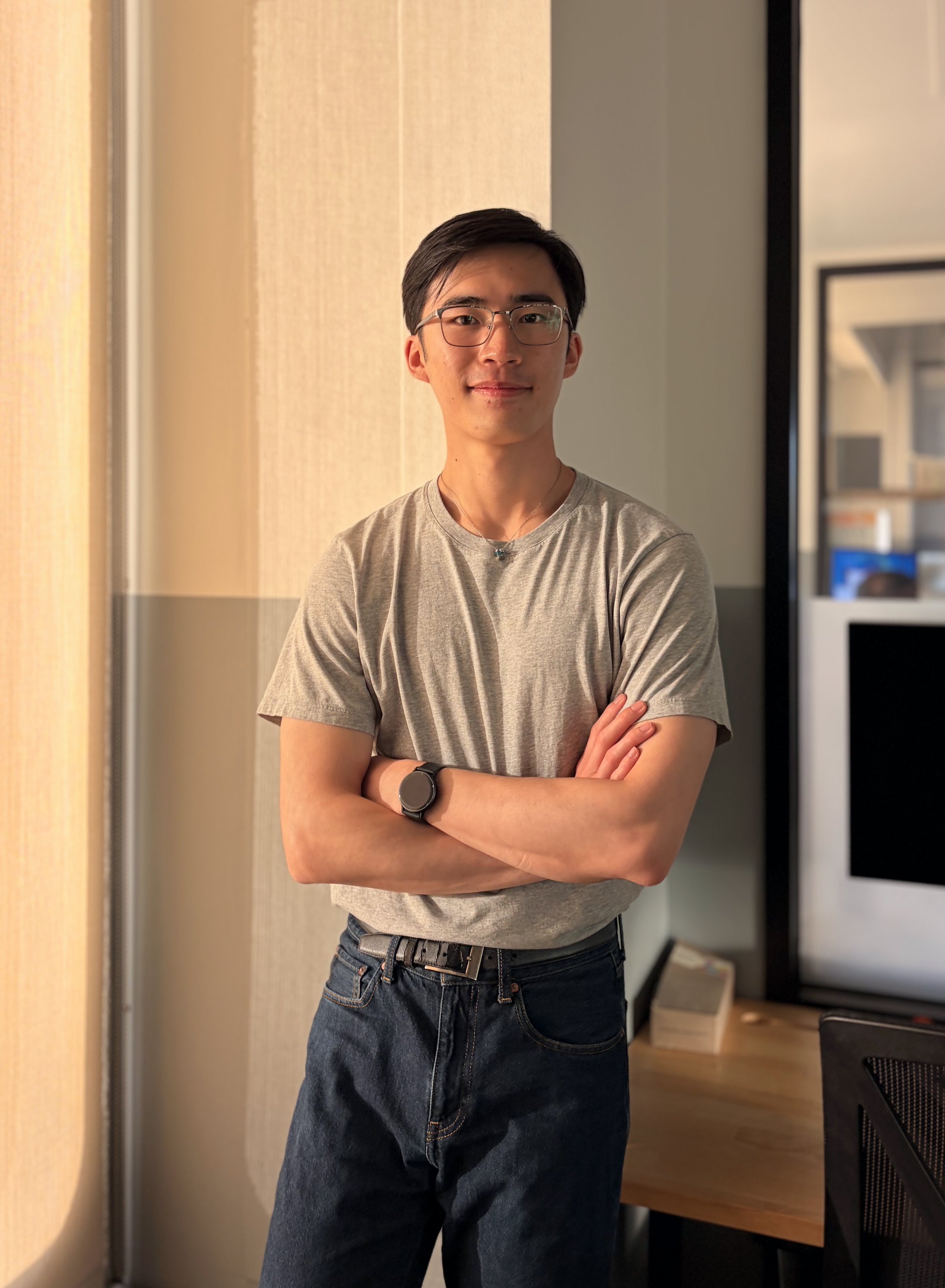
Dylan - For me, it’s a very common story. I liked video games when I was younger, and decided to take a couple computer science courses in high school. I found it rewarding that I could create games, websites, and other small projects.
As for Arcol, most of my previous co-ops and internships were at bigger companies, and wanted to experience a smaller company or startup before graduating. I liked Arcol’s core product and thought it’d be interesting to work on a design tool.
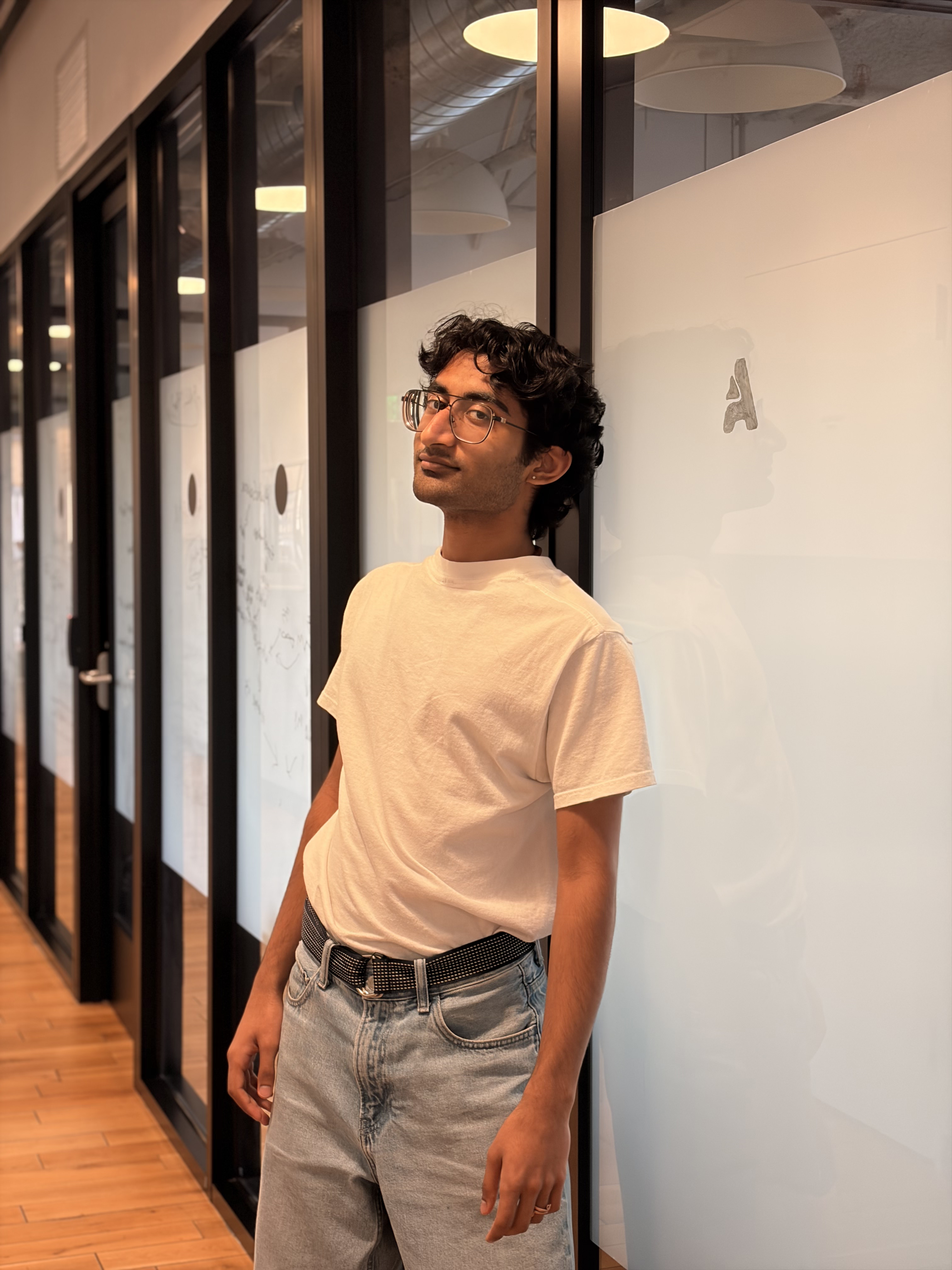
Arnav - Throughout high school, I developed a love for math and specifically geometry problems. At the same time, I know I wanted to work on something with a tangible output and visual aspect, which is why I found a natural interest in computer graphics and 3D geometry. Pursuing this interest, I was very excited to get the opportunity to work on a terrain geometry and rendering related project at Arcol.
Willy - Can you tell me more about what you’ve been working on over the past three months?
Arnav - I worked on one big project throughout my whole internship, which was to rework the terrain system to support contour data. The contour data is used to generate a terrain mesh, but since it doesn’t look like our typical meshes, I needed to figure out how to make it work performantly with the existing terrain modifiers and site boundaries.
On a longer project, sometimes things don’t work exactly how you expect it to. For mesh generation, there were a lot of techniques I had planned to try. But after implementing a strategy, there could be mesh artifacts or other flaws in the method. And you have go back to the drawing board, see what was wrong, and to think of a new way.
The process felt a little bit like research, and showed me the importance of writing documents to compare different approaches before I start implementing. And I ended up being very happy with the organization and quality of my code, both coming up with the ideas and then finding beauty in the implementation.
Dylan - My internship looked a lot different from Arnav’s. I worked on a variety of projects across the stack, including:
Mirror Tool: Developing a new design utility.
Presentation View: Resizing sheets for better UX.
Automation: Streamlining backend emails.
Map Layers: Implementing view-specific street and satellite views using S3 and Three.js.
One of the bigger projects I’ve worked on was view-specific map layers, like street view or satellite. At first, I didn't realize how integrated it was with other features. Multiple views could be be placed on boards or opened at the same time in split screen. I had to pivot a few times to get it to render correctly and be performant, even optimizing load times using S3. It was probably the most challenging project I’ve worked on, and I’m quite happy how it turned out.
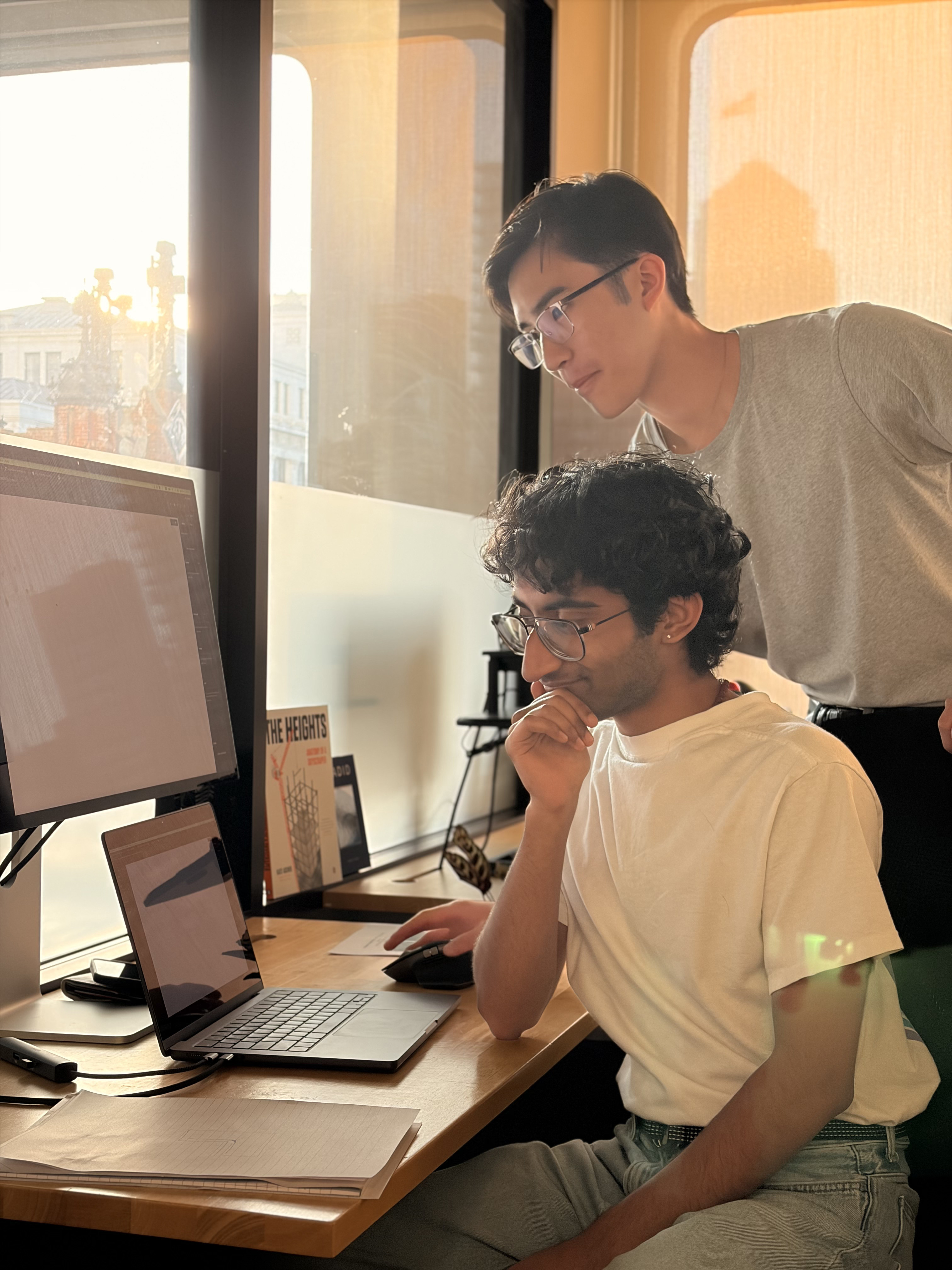
Willy - What did collaboration with other Arcol engineers look like?
Dylan - Arcol’s culture feels very warm and tight knit. Everyone is friendly and available to get help from, or just to talk about anything. At previous companies, I’ve had teams where everyone is in office but we wouldn’t even get lunch together.
For map layers, I got some backend help from James Vaughan. I also worked with Joel Davis, who specializes in graphics. He helped me with some shaders by digging into the Three.js source code. It was something I haven’t done before, seeing how things were working under the hood, and it felt enlightening to me.
Arnav - In the beginning, I talked a lot with Rudi Chen, who was my intern mentor. And a lot of conversations were with Joel, specifically about the rasterization pipeline, the different approaches used to render outlines, SSAO, stuff like that. But as things got rolling, I started talking to other people, not only about my work, but their work.
Arcol is one of the first places where I've worked where I feel excited, and not intimidated, to share what I've been working on. It feels like a company where people work on amazing things all the time, and it's normal when we're showing our work to feel, 'wow, that's so cool'. I feel like that's something I haven't seen as much at other companies I've interned at.
Maybe it's just a combination of like the work we do and how excited everyone is for it. It feels like people are doing work because they love what they're doing and they think that what they're doing is really cool.
Dylan - To add onto that, our daily stand-ups are a low-pressure way to talk about how everyone is doing. And I actually look forward to our weekly demo days, being able to see everyone’s work and to show off your own work as well. Whereas for other internships, there might be demos where you present by yourself and have pressure to prepare a whole slideshow and everything.
.jpeg)
Willy - Looking back, what advice would you give to those looking to intern at a startup?
Dylan - Since startups are generally smaller, we have a bigger impact and influence in shaping the product. That’s something to take advantage of. I felt proud working on the mirror tool, since it was a new tool and was easily shown off.
Besides the software side of things, there are many aspects of a startup to learn about and be exposed to. I got to hop on a customer call and talk to them directly, which was an opportunity I didn’t have during past internships. One of my projects actually got called out as something that a customer had actually wanted. Even though it was a small project, it felt more impactful because someone actually needed it.
Arnav - I second that. It’s a very cool feeling to be able to visually see what you’ve made and show it to other people.
With a startup, when there’s so few people, it feels like one big team and you really have an opportunity to know what everyone’s doing. It’s something to leverage: getting to know people from many different fields. It's cliche, but you'll get out of a startup what you put into it.