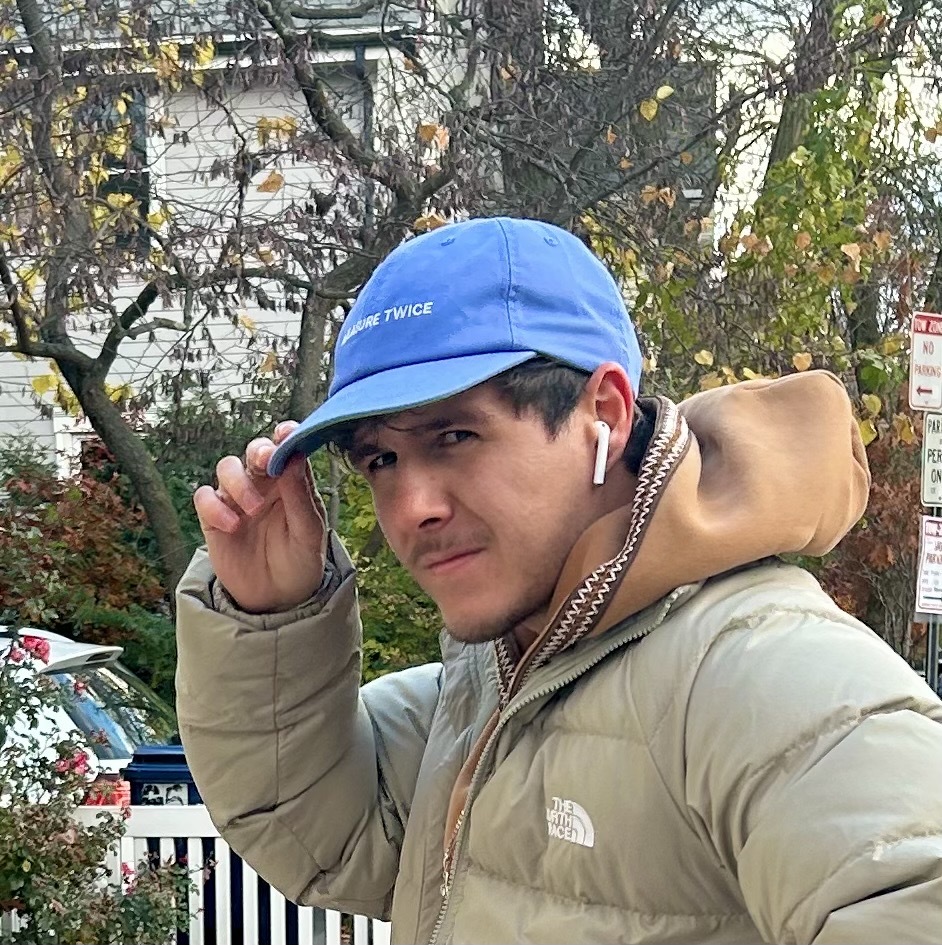
Meet the interns - Gabriel Sayag
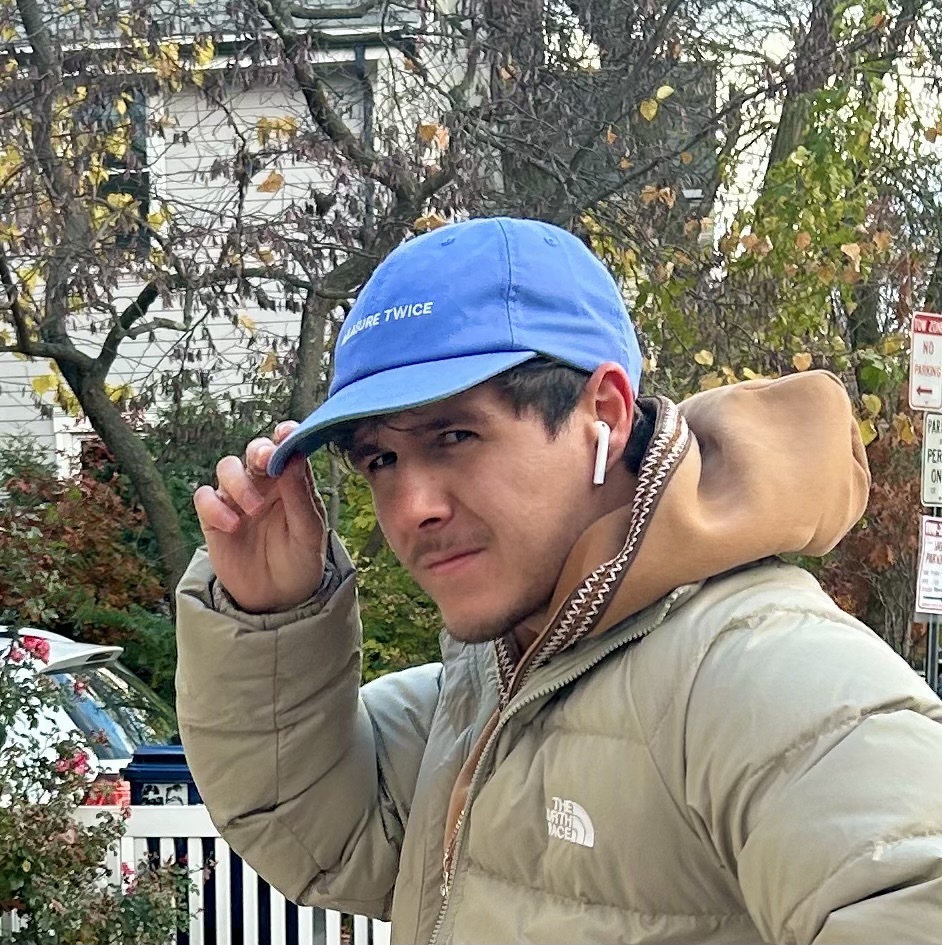
Gabriel Sayag
Product marketing intern
👋 Hey, I'm Gabriel and I'm a product marketing intern at Arcol. The team asked me to write introduce myself, here is my journey through Architecture and Technology.
Key Takeaways
Background: Gabriel Sayag transitioned from a traditional architecture path to a product marketing internship at Arcol.
Efficiency: Arcol replaces fragmented workflows (CAD, Revit, Rhino) with a single, browser-based BIM platform.
Key Features: The tool supports 3D design, floor plans, metrics, and site analysis without the complexity of traditional software.
Collaborative Culture: The Arcol team utilizes a fast, visual review loop for rapid project feedback and content creation.
My story
As a kid, I loved drawing more than anything else in the world. I would beg my parents for sketchbooks, the newest drawing tablets, and applications to the best art schools out there. I had always known that I wanted to become an artist. As time went by, my interests gradually changed from drawing cartoons and characters to landscapes and buildings.
Then everything changed when I moved to Miami at ten years old. Driving across Brickell and Downtown awoke a part of me that nothing else ever had. I gradually started to sketch less and less and look at architecture more and more.
With the help of my retired architect grandfather and after conducting endless research, I finally started to understand the craft and really saw a viable way for myself. I knew exactly what I wanted to grow into.
Architecture school hit me much harder than I had anticipated, though, as I could draw, but had barely touched physical materials beforehand. Sleepless nights with basswood, museum board, and enough wood glue to drown in made me want to quit on multiple occasions. I wasn’t any better at math either, structure classes pushed me to the edge.
Semester by semester, however, I held on, and the light at the end of the tunnel finally started appearing. As graduation approached, I applied to transfer programs in hopes of continuing my degree. But out of six schools, only one accepted me. I was crushed. I prepared for that last option over my final summer semester, trying to make peace with it.
Transition
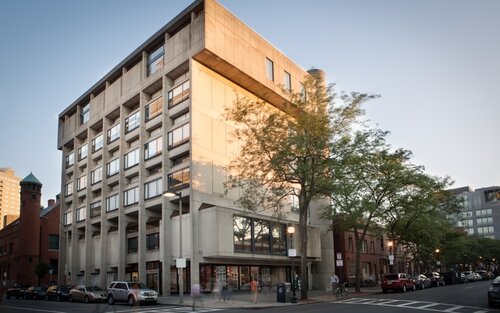
It was during that last summer semester when one of my classmates mentioned that she had been accepted into Boston Architectural College. I looked it up on my way home; a spark lit in my eyes.
This could be it-the second chance I was hoping for. I rushed to turn in my application before the deadline and, against all odds, got in. The summer before my second year at the BAC, I felt stress when it came to getting experience in the field of architecture. One of my graduation requirements is to complete 3000 hrs of work in an architecture related field. On top of that, I needed to experience the field in order to truly grasp what it meant to become an architect. Sitting at a cafe with my friends during the summer months, looking for internships, I stumbled across a promising BIM tool called Arcol. In architecture, getting your degree is one thing, but standing out requires more than just a bachelor’s.
Arcol felt like a door I could push open, a chance to take a real step toward my dream of becoming a designer. Something about Arcol stuck with me, maybe the timing, maybe the idea of diving into something new right as my academic path was shifting. I applied without overthinking it. Weirdly, finding BAC and coming across Arcol happened right next to each other, two opportunities arriving precisely at the time I needed them.
Finding Arcol
Actually, my introduction to Arcol really began before the internship even started. As part of the hiring process, I had to design a project-anything-using Arcol. My instinct was to reach for a sheet of paper and start scribbling ideas.
I wanted to push myself creatively and build something ambitious. I designed my eco lab with Rhino, Revit, and CAD in mind. Finding myself opening Arcol, I panicked. I hadn't accounted for the time. I’d spent years working with tools where every change meant menus, workflows, and a whole process. Still, I opened Arcol, expecting to get nothing more than a basic massing model out of it. But long story short, I spent the whole day on it. I had assumed that this much work in a browser would take forever. Usually, anything complex meant juggling CAD, Revit, Illustrator, and whatever niche tool the project needed. And usually, the browser-based tools were just placeholders-you'd rebuild the project in CAD or Revit anyway. But suddenly, a project that would normally require all those mainstream tools could be completed inside one platform: Arcol.
Arcol consolidates multiple architectural needs into one platform:
Design & Documentation: 3D design, floor plans, and presentation boards.
Data & Context: Real-time metrics, site context, and analysis.
User Experience: Replaces "messy point snapping" with an intuitive interface comparable to a "self-driving car."
I'd always assumed speed and ease of use required sacrificing functionality or design freedom, but Arcol proved me wrong.
My Experience at Arcol
My first project as a product marketing intern was to create example projects that users might work on: a residential skyscraper in Miami and a high school in Boston. The prompts were open-ended, giving me full creative freedom, which at first felt almost too hands-off. But once I shared the projects in our team workspace, the team eagerly pitched in to give me feedback. The review loop became fast, visual, collaborative, and honestly refreshing.
Three months in, that responsiveness hasn't faded; if anything, it's become one of my favorite parts of working here. After example projects, I moved on to video content that showcased various aspects of the product.
Key contributions during the internship include:
Example Projects: Designed a residential skyscraper in Miami and a high school in Boston.
Content Creation: Produced over 50 pieces of video content showcasing product features.
Rapid Prototyping: Engaged in a high-speed feedback loop with the team for real-time project iteration.
It's been a blast. If this is what the first three months look like, then I'm pretty hyped about what the next ones will bring.
What I'm Doing Next
After a great 3 month experience, the team decided to keep me on board as an extension of my internship. I'm stoked to be able to experience new facets of the architectural space through Arcol.
I hope the next 3 months will allow me to meet new people and experience new things that’ll in the future help me take steps towards one day becoming a designer myself. However, this is just a small part of a bigger picture for me, finishing my bachelors, applying for a masters and attending externships and events are all part of a plan I’ve set myself to achieve my dreams.